

Digital advertising has transformed the way consumers discover, evaluate, and purchase products. Unlike traditional media, digital channels are interactive, personalized, and measurable, allowing brands to influence behavior at multiple touchpoints. As screens become central to everyday life, advertising no longer simply promotes products—it actively shapes how consumers think, feel, and act.
The Shift from Passive Audiences to Active Participants
In the past, consumers largely absorbed advertising messages without direct interaction. Digital advertising has changed this dynamic by turning audiences into active participants.
Consumers now:
- Click, scroll, like, comment, and share ads
- Compare products instantly across platforms
- Engage with brands through feedback and reviews
This two-way interaction has made advertising more conversational, influencing behavior through engagement rather than repetition alone.
Personalization and Its Psychological Impact
Personalized digital advertising plays a powerful role in shaping consumer decisions. Ads tailored to individual interests, behaviors, and needs feel more relevant and timely, increasing their persuasive impact.
Key behavioral effects of personalization include:
- Higher attention levels, as ads align with personal interests
- Increased trust, when messaging feels useful rather than intrusive
- Faster decision-making, driven by perceived relevance
When consumers feel understood, they are more likely to engage and convert.
Always-On Exposure and Changing Purchase Journeys
Digital advertising has shortened and fragmented the traditional buying journey. Consumers are constantly exposed to brand messages across search engines, social platforms, websites, and mobile apps.
This continuous exposure leads to:
- Impulse purchases driven by timely prompts
- Non-linear decision paths with multiple entry points
- Greater reliance on online research before buying
As a result, consumer behavior is now shaped by micro-moments, where quick decisions are made based on immediate needs and available information.
The Influence of Social Proof and Influencer Advertising
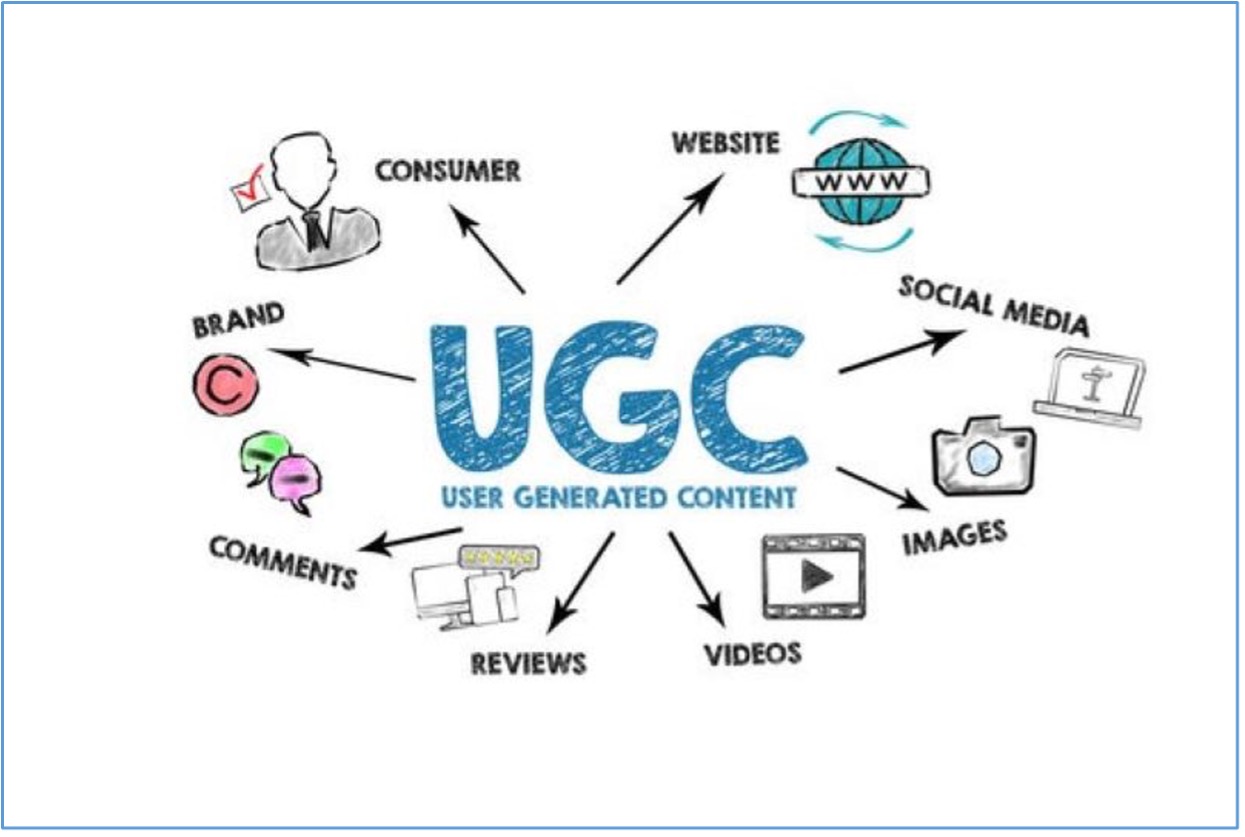
Digital advertising increasingly relies on social proof to influence behavior. Reviews, testimonials, and influencer endorsements reduce uncertainty and build credibility.
Consumers tend to:
- Trust peer opinions more than brand claims
- Follow influencers who reflect their values or lifestyle
- Use engagement metrics as signals of quality and popularity
This shift has made authenticity a critical driver of consumer response.
Data, Retargeting, and Behavioral Reinforcement
Data-driven advertising allows brands to reinforce interest through retargeting. Ads that follow consumers across platforms remind them of products they viewed but did not purchase.
Behavioral outcomes of retargeting include:
- Increased brand recall
- Reduced hesitation through repeated exposure
- Higher conversion rates over time
While effective, this approach also raises awareness around privacy and ad fatigue, influencing how consumers perceive brands.
Mobile Advertising and the Rise of Instant Gratification
Mobile devices have amplified the impact of digital advertising. With constant access to content, consumers can act on ads immediately.
Mobile-driven behavior changes include:
- Preference for quick, seamless purchasing experiences
- Reduced tolerance for slow or irrelevant ads
- Greater responsiveness to location-based and time-sensitive offers
Convenience has become a defining factor in consumer decision-making.
Trust, Transparency, and Consumer Awareness
As digital advertising becomes more sophisticated, consumers are also becoming more informed. Many now recognize targeting techniques and expect ethical data use.
This awareness is reshaping behavior by:
- Encouraging selective engagement with trusted brands
- Increasing demand for transparency and consent
- Influencing brand loyalty based on values, not just price
Trust has emerged as a key differentiator in the digital advertising landscape.
The Long-Term Behavioral Shift
Digital advertising is not just influencing individual purchases—it is reshaping long-term habits. Consumers increasingly expect relevance, speed, and personalization as standard experiences.
Brands that understand these evolving expectations are better positioned to build meaningful, lasting relationships rather than one-time conversions.
Frequently Asked Questions
1. How does digital advertising influence consumer decision-making?
It affects awareness, consideration, and purchase timing through personalized, timely, and interactive messaging.
2. Why do consumers respond more to personalized ads?
Personalized ads feel relevant and useful, reducing information overload and increasing engagement.
3. What role does social media play in shaping consumer behavior?
Social media combines advertising with social proof, peer influence, and real-time interaction, amplifying impact.
4. Does retargeting actually change buying behavior?
Yes, repeated exposure reinforces interest and increases the likelihood of completing a purchase.
5. How has mobile advertising changed consumer expectations?
Consumers now expect fast-loading ads, seamless experiences, and instant access to products or services.
6. Are consumers becoming resistant to digital advertising?
Some are more selective, but relevant, transparent, and value-driven ads continue to perform well.
7. How can brands adapt to changing consumer behavior?
By focusing on relevance, trust, ethical data use, and customer-centric experiences across digital channels.
Comments are closed.